
Your wonderful moments of the tour
From the moment your guide greets you in the hotel lobby, you step into a seamless journey through Moscow's soul, where every corner whispers stories of triumph and tragedy. Standing beneath the colossal Cathedral of Christ the Saviour, you feel the weight of history—a phoenix risen from demolition, now towering over the river like a silent prayer in white stone. The breathtaking panorama from Sparrow Hills steals your breath as the entire city sprawls at your feet, while the peaceful gardens of New Maidens' Convent invite you to pause, tie a ribbon to an ancient tree, and trust that your quietest dream might just come true. Wandering the vibrant Arbat Street, the melodies of street musicians and the buzz of crowds wrap around you like a warm embrace, proving that legends never truly fade. The mighty Stalinist skyscrapers and the solemn alleys of Victory Park stir both awe and reverence, reminding you of the resilience that shaped this nation. And as your driver gently returns you to your hotel at sunset, with golden spires glistening in the rearview mirror, Moscow no longer feels like a city you visited—but a heartbeat you now carry within you.
What you will see in the tour
The tour program
Hotel Pick-up
Our guide will meet you in the hotel lobby. The tour is conducted by car or minivan, with licensed drivers operating vehicles for up to 3 people (cars) or 4–7 people (minivans). All vehicles are equipped with climate control for year-round comfort.
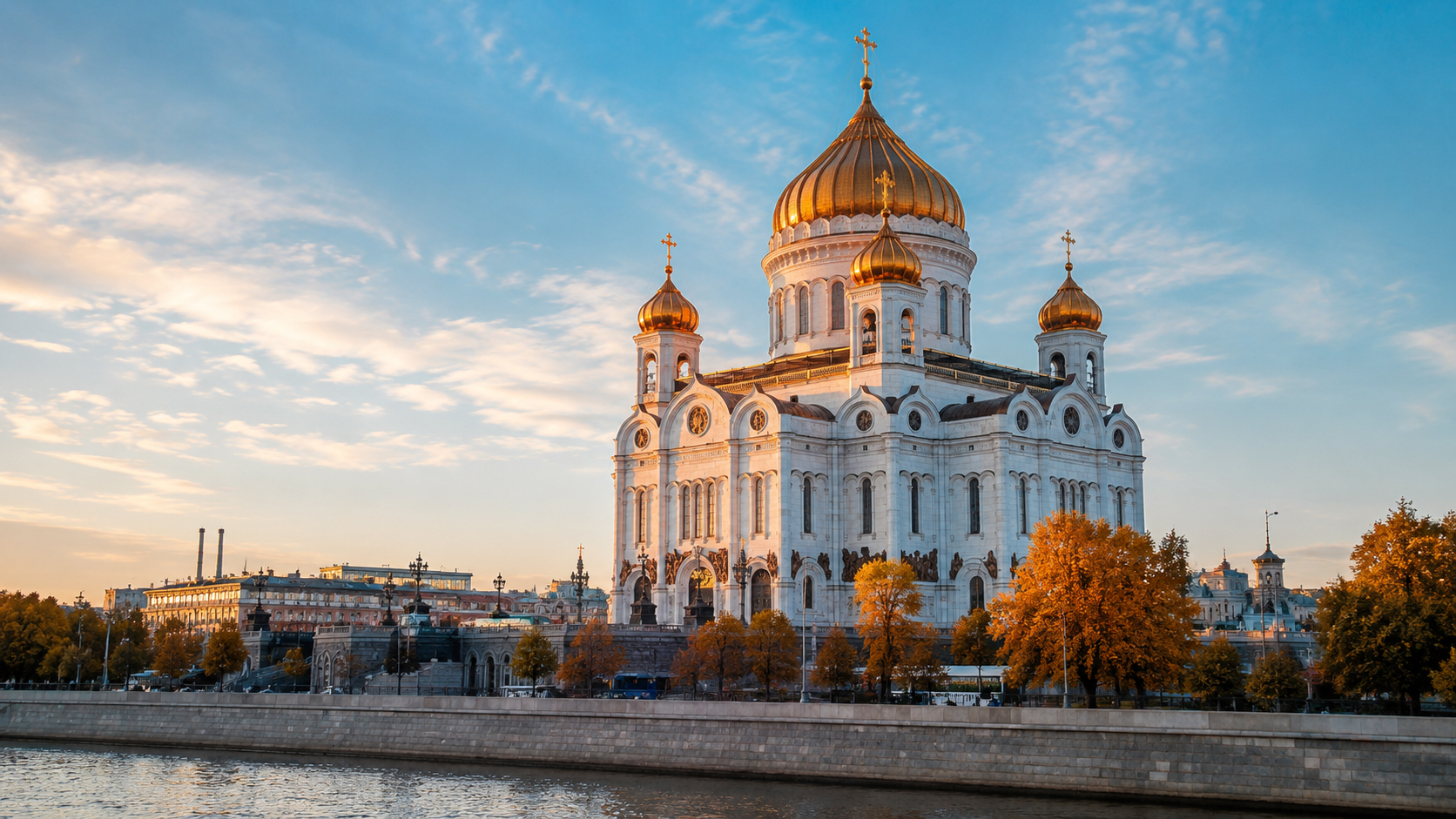
Cathedral of Christ the Saviour
The main Russian cathedral stands on the bank of the Moskva River, reaching an overall height of 105 metres (344 ft), which makes it the tallest Orthodox church in the world. The original cathedral was consecrated in 1883 to commemorate Russia's victory over Napoleon in 1812. The site was cursed by some Orthodox believers after the original was demolished in 1931 for ideological reasons. The most ambitious Soviet project ever planned for this location was the Palace of Soviets, a 415‑metre superstructure that was never completed due to groundwater issues and World War II. After the demolition, the world's largest open-air swimming pool (130 metres in diameter) operated there from 1960 until 1994.
Pedestrian bridge over the Moscow river
The footbridge next to the cathedral offers one of the most scenic viewpoints for photographing the Kremlin and its surroundings. This Patriarch's Bridge was opened in 2004 and has become a favourite spot for both tourists and locals. The current trendiest district in Moscow for restaurants, bars, and nightlife is the area around Patriarch's Ponds and nearby Presnya. The famous House on the Embankment, built in 1931, had an unusually high number of suicides, which historians attribute to the stressful closed community lifestyle of Soviet elites. One of the world's top‑10 ugliest monuments according to international polls is the statue of Peter the Great by Zurab Tsereteli, located on the Moscow River spit.
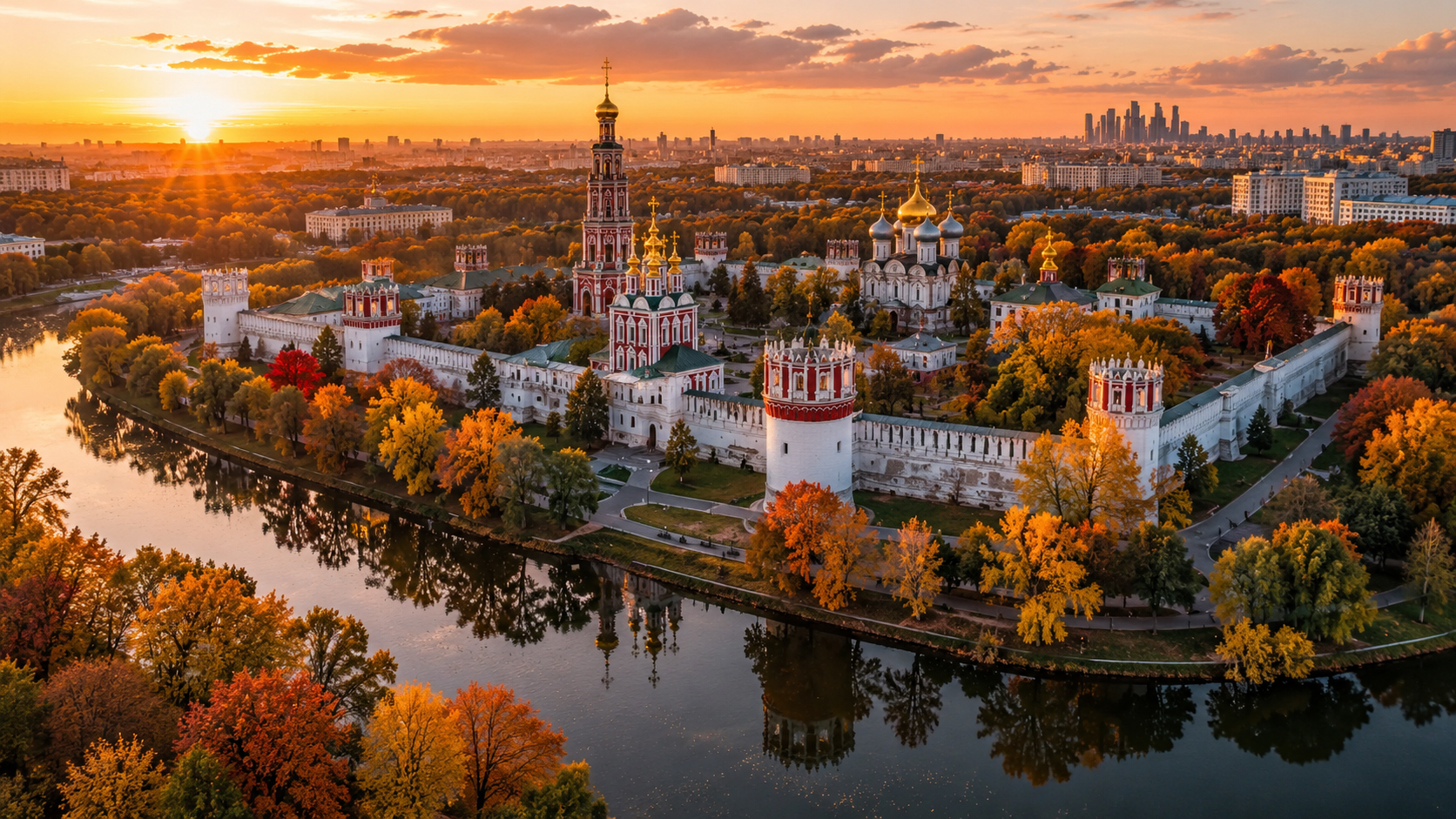
New Maidens' Convent
Located near the Moscow River, this peaceful 16th‑century convent complex with a picturesque pond offers a quiet retreat from the bustling city. The convent has been a UNESCO World Heritage site since 2004. To make your dreams come true, local tradition suggests writing a wish on a ribbon and tying it to a tree near the convent walls. When Napoleon tried to destroy the convent in 1812, locals secretly hid its treasures and prevented the buildings from being set on fire, saving the entire ensemble. Barbara Bush, while visiting Moscow, supported a local project to maintain the duck population in the area by encouraging feeding programmes during the spring migration.
Sparrow Hills
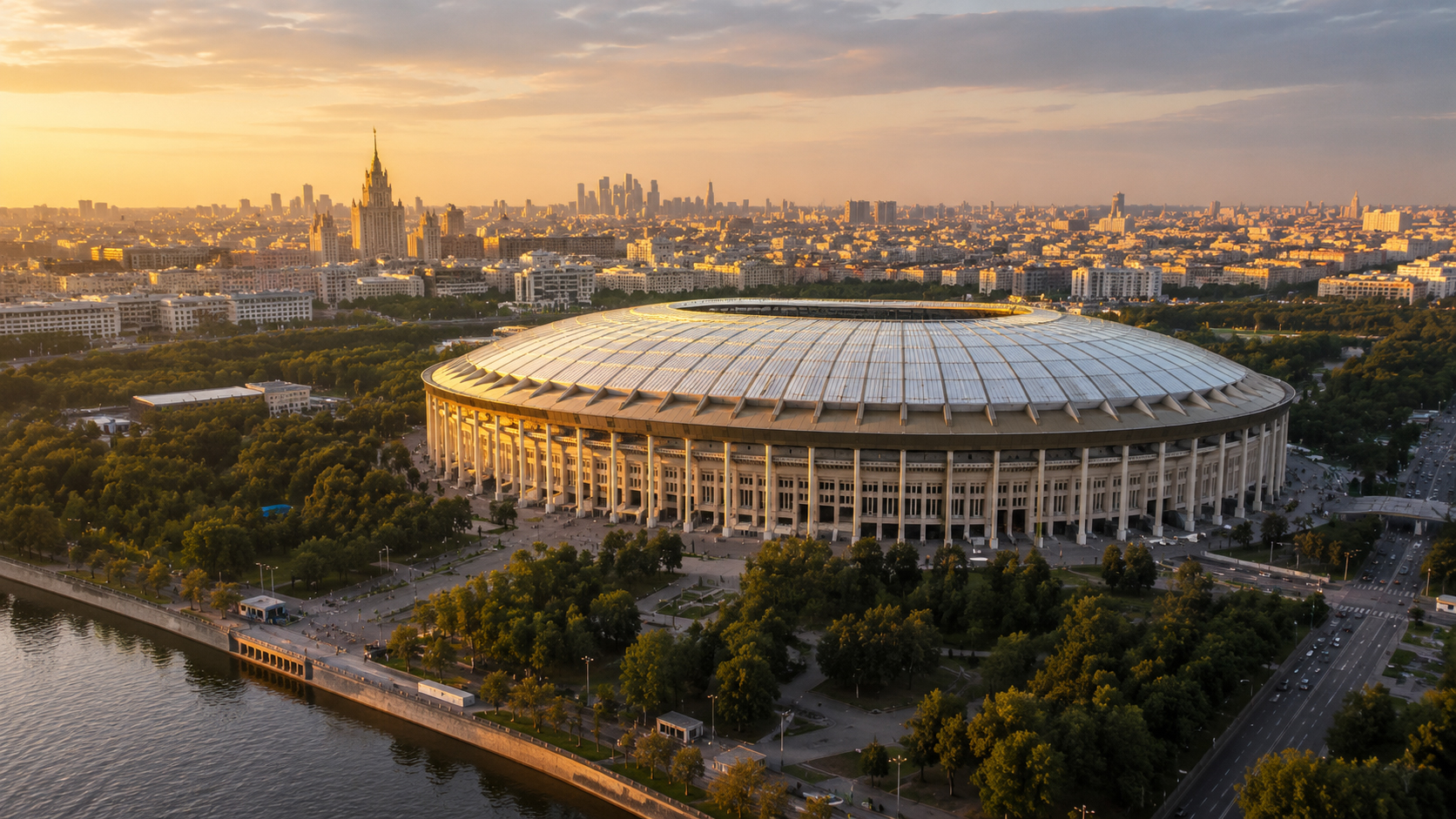
This location provides the best observation platform in Moscow, offering a stunning panoramic view of the city and the Olympic Luzhniki Stadium. The viewpoint sits on a steep cliff overlooking the river bend. Moscow is historically referred to as the "Third Rome" because, after the fall of Constantinople, Russian monks proclaimed it the last bastion of Orthodox Christianity. During the 1917 Revolution, the Bolsheviks used Sparrow Hills as a strategic artillery position to shell the Kremlin. The metro administration dislikes the "Sparrow Hills" station because its glass walls are prone to condensation and icing, requiring constant expensive maintenance due to the bridge‑type construction over the river.
Stalin's Skyscrapers
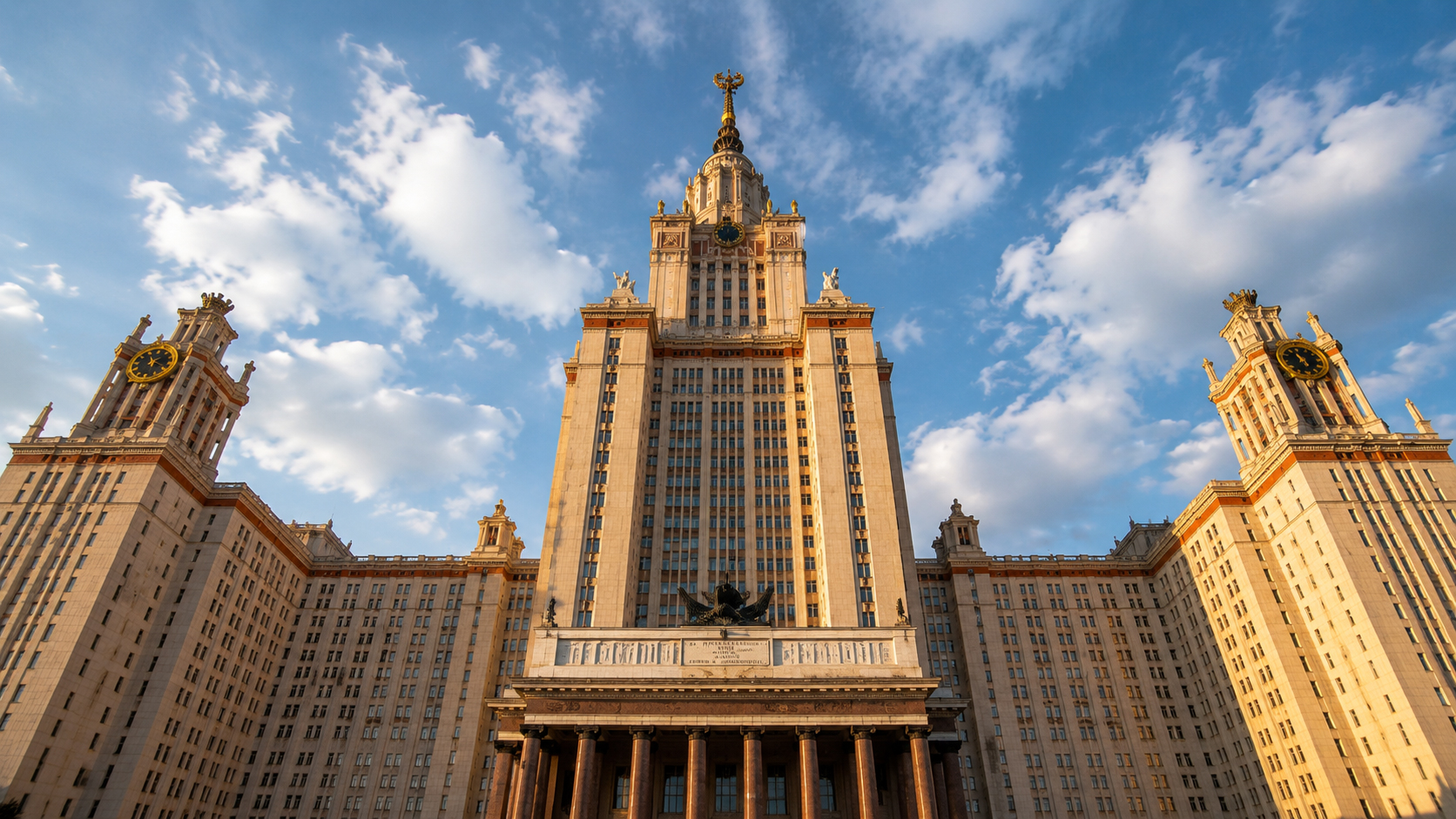
Moscow State University is one of the most beautiful examples of Stalin's high‑rise buildings, and during the tour you will see 3 of the 7 iconic structures. These "Seven Sisters" were built between 1947 and 1953 to demonstrate Soviet power. The top floors of these buildings were used as secret KGB observation posts and signal‑jamming stations during Soviet times. To solve the problem of weak soil, engineers drove thousands of steel piles into the ground, with some piles reaching depths of over 20 metres. The fountains surrounding these skyscrapers actually serve a dual function: they are part of the city's emergency water supply system for firefighting and also help to stabilise the groundwater table.
Victory Park
This vast memorial complex commemorates the Great Patriotic War (World War II) and includes endless fountains and monuments, with a dominating 142‑metre obelisk at its centre. The obelisk is shaped as a triangular bayonet. The number "1418" on the memorial refers to the number of days and nights the war lasted. Camels served the Red Army in the steppes of Kalmykia, where they were used as pack animals to transport ammunition across sandy terrain. Spanish soldiers fought alongside Russians because the Blue Division — volunteers from Franco's Spain — were sent to the Eastern Front as Nazi allies, though some later defected to the Soviet side.
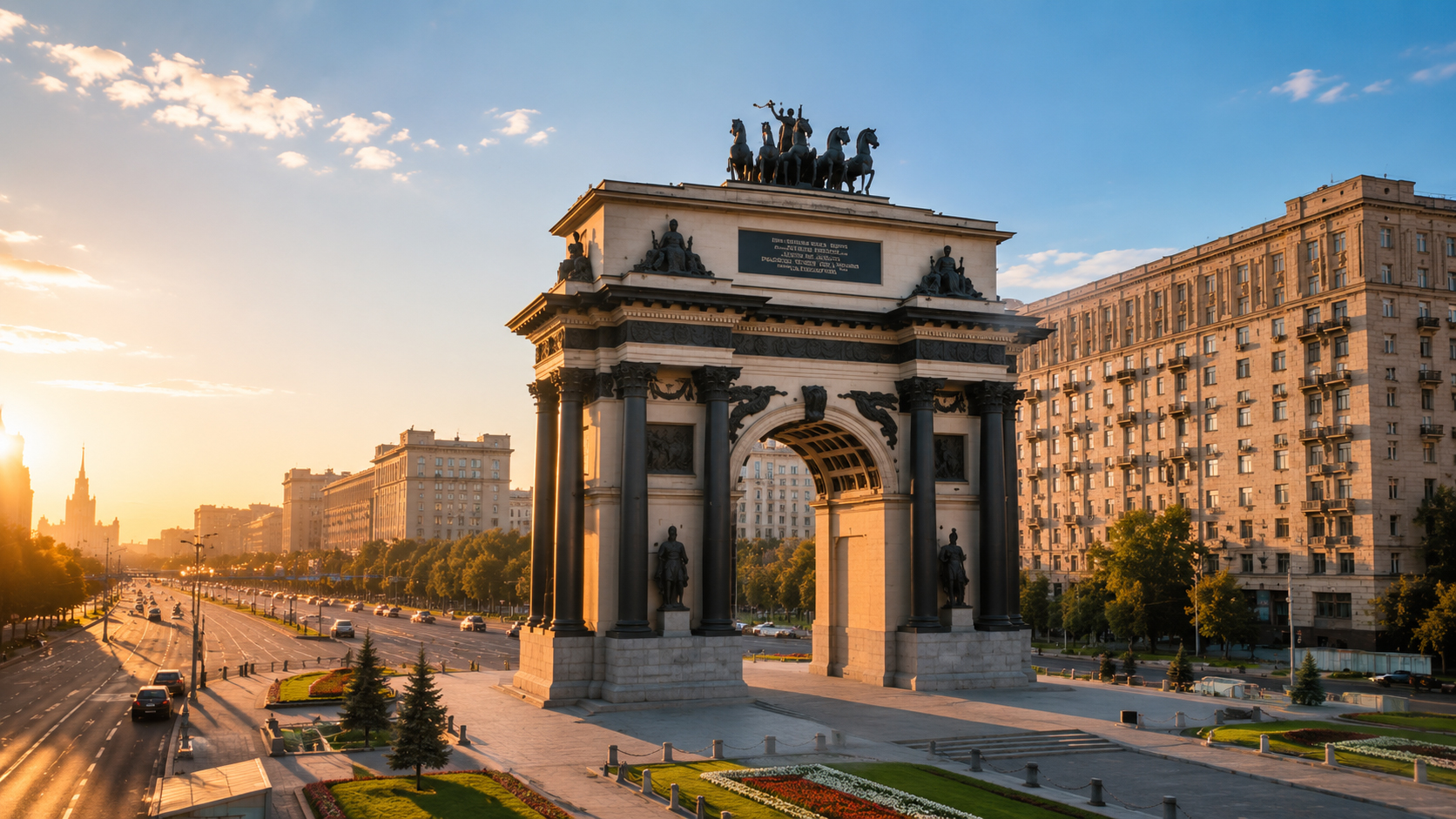
White House
This remarkable building of the Russian parliament, also known as the "White House," played a dramatic role in the country's development during the early 1990s. It was completed in 1981 and originally housed the Russian Soviet legislature. The "Ukraine" hotel nearby is remarkable for its Stalinist architecture and for being one of the Seven Sisters, with a central tower topped by a spire. The Russian parliament building has no direct connection to Aeroflot, but both symbols of state power were frequently featured together in propaganda newsreels of the 1990s. In 1993, during the constitutional crisis, the building became one of the most photographed places in Moscow due to the shelling and subsequent fires.
Arbat Street
This one‑kilometre pedestrianized street runs through the historical centre of Moscow, lined with old mansions and street performers. Arbat has been a popular walking area since the 18th century. The best party ever organised by the US embassy reportedly took place in the 1990s, when American diplomats hosted an open‑air rock concert to celebrate Independence Day. Russian rock star Viktor Tsoi, who died in 1990, is still believed by many fans to be "alive" — similar to the Elvis Presley legend — and his graffiti‑covered wall on Arbat remains a pilgrimage site. The best restaurant in Soviet times was the legendary "Praga" on Arbat, whose owner obtained it through a state‑issued concession after impressing Stalin with his culinary skills.
Hotel Drop-off
At the conclusion of the tour, we will return you to your hotel or any other preferred location.
***
Metro Option (add‑on)
1,5 hour tour optional for extra payment
You can add a short walk inside the Moscow Metro, opened in 1935. It now has 302 stations and over 550 kilometres of track. Many stations feature marble columns, mosaics, and stained glass, and are recognised as architectural monuments. The Soviet government designed them to showcase the power of the socialist state. Trains arrive every 90 seconds during peak hours on the busiest lines. This underground walk complements the car tour perfectly.
Booking tour
Duration
1 Day
Complexity
Consultation needed
Type tour
Individual
Season
Winter, Spring, Summer, Autumn
Price without accommodation
Moscow Must Drive
Important information:
-
The time can be adjusted to suit your schedule.
-
The price quoted is per tour, based on the number of participants you specified. If the group size changes, the total cost may be adjusted accordingly.
-
Cancellations made at least 7 days in advance are free of charge. Later cancellations will incur a fee.
-
If paying in cash, please use Russian Rubles. While your guide can stop at an exchange office if you have USD or EUR, we advise converting your currency beforehand. Please note that old or damaged banknotes may be refused.
-
Payment Methods: cash payment is required before the tour starts.
INCLUDED:
- all taxes
- private tour with personal guide
- car/van
- hotel pick-up and drop-off
NOT INCLUDED:
- lunch and so on
GUIDES
During the trips you will be accompanied by professional guides, who will not only take you into the atmosphere of the fabulous north, but will also make high-quality photos and videos, so you can keep your trip in your memory forever.

Anton
Over 7 years of experience

Marina
Over 7 years of experience

Dima
Over 8 years of experience

Alexander
Over 5 years of experience
Our vehicles
Your road trip will include comfortable vehicles


FEEDBACK ON TRAVELLING WITH US
WHAT OUR CLIENTS SAY ABOUT US

Your team went above and beyond by crafting an extraordinary program for us! I cherished every moment, from exploring the Tundra, just like the descriptions I read in high school, to admiring the stunning vistas of Teribeka and the Barents Sea. Interacting with huskies and reindeer brought us joy, and learning from the Saami people enriched our experience. I am deeply grateful to your team for taking such wonderful care of us.
Chonlatip Pipatanaboon
23.04.2024
We would like to say thank you very much for the incredible experience! Everyone in your team is highly professional and dedicated. We really enjoyed our time in Teriberka and at Husky Park, where we made unforgettable memories. The stunning landscapes and friendly animals added to our joy. All of you, but especially the guide, will always hold a special place in our hearts.
Attakrid Boongthong
14.04.2024
Thank you very much for a perfectly organized tour! Your team helped to make the trip unforgettable and filled with wonderful impressions. Very pleased with the individual approach to tourists. Thank you for regular communication and help in organizing leisure time. Also thank you to the guide for interesting excursions and stunning photos.